
Temporary camp
The concept of a temporary camp has become increasingly popular across various industries and situations, from disaster relief efforts to construction projects in remote areas. One common question that arises is, “Are temporary camps movable?” Understanding the mobility of these camps is essential for organizations that need flexible solutions for housing workers, volunteers, or displaced populations. Temporary camps are designed to provide essential living and working facilities in locations where permanent infrastructure is not feasible, making mobility one of their most valuable characteristics.
Temporary camps are built with portability in mind. Unlike permanent buildings that require extensive foundations and construction, temporary camps often utilize modular units, prefabricated structures, or even tents. These components can be assembled quickly on-site and disassembled with relative ease when the camp is no longer needed. This modular design allows Temporary Camp to be relocated from one site to another with minimal disruption, which is particularly advantageous for projects that are spread over large geographical areas or for emergency situations where needs can shift rapidly.
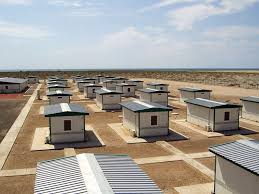
The mobility of a temporary camp depends on the type of structures used. For example, tent-based camps are the most flexible, as they can be transported in sections and set up within hours. Container-based or modular units offer more durability and comfort while still being movable. These units can be loaded onto trucks, trains, or ships and relocated to new sites with limited labor requirements. Therefore, organizations can choose a temporary camp model that balances portability with comfort, durability, and capacity depending on the project’s specific needs.
One of the main advantages of movable temporary camps is efficiency. In disaster-stricken areas, such as regions affected by earthquakes, floods, or hurricanes, rapid deployment of shelters can save lives. Emergency responders often rely on temporary camps to provide immediate accommodation, medical services, and food distribution. Because these camps are designed to be movable, they can quickly follow the evolving needs of affected populations, ensuring that help reaches areas that need it most without the delays associated with permanent construction.
In addition to disaster relief, temporary camps are widely used in industries such as mining, oil and gas, and large construction projects. Companies often operate in remote areas where permanent housing and infrastructure are not practical. By using movable temporary camps, these organizations can provide workers with safe and organized living spaces that can be relocated as projects advance. This flexibility also reduces the financial risk associated with investing in permanent structures in areas that may only be used for a short period.
Are temporary camps movable?
Mobility also offers benefits in terms of sustainability and resource efficiency. Because temporary camps can be disassembled and reused, they reduce the need for continuous construction and demolition, which minimizes waste and environmental impact. Many modern temporary camps are designed with eco-friendly materials and systems, such as solar panels, water recycling, and energy-efficient insulation. Being movable allows these environmentally responsible solutions to be deployed across multiple locations, maximizing their usefulness and reducing overall ecological footprint.
The design of temporary camps also ensures that essential services can remain intact during relocation. Modular units are equipped with plumbing, electrical wiring, and ventilation systems that can be quickly reconnected when the camp is moved. Kitchens, bathrooms, sleeping quarters, and communal areas are designed for rapid setup and teardown, ensuring that inhabitants continue to have access to safe and functional spaces during transitions. This aspect of mobility is critical for both humanitarian efforts and industrial operations, where continuity of living and working conditions is paramount.
Despite their mobility, temporary camps can also offer long-term solutions. Many modern camps are designed to be semi-permanent, combining durability with the option to relocate. This makes them suitable for projects or operations that last several years but may eventually need to be moved. By carefully planning the layout and infrastructure of a temporary camp, organizations can create spaces that are comfortable and secure while maintaining the flexibility to adapt to changing project requirements.
Security and organization are also easier to manage in movable temporary camps. Containers and modular units can be locked and monitored, ensuring the safety of residents and equipment. Camp layouts can be adjusted as needed when relocating, allowing for optimized use of space and resources. Furthermore, the ability to move the camp can help avoid environmental hazards or regulatory issues that may arise at a particular location, providing an added layer of operational flexibility.
In conclusion, temporary camps are inherently designed to be movable, making them a practical and versatile solution for a wide range of applications. Their portability allows for rapid deployment in emergencies, flexibility for industrial projects, cost-effective reuse, and environmentally responsible operations. Whether used for disaster relief, remote workforces, or semi-permanent settlements, the movable nature of temporary camps ensures that organizations can respond efficiently to changing needs. They are not just temporary shelters; they are adaptable, efficient, and strategic solutions for modern living and working environments in challenging or dynamic locations.